In this issue, let’s transition from the skies to the seas. I’ve never been much of a seaman, although my country, Poland, has beautiful beaches along the Baltic Sea and numerous large lakes perfect for long days of sailing. But the world of Unmanned Surface Vehicles (USVs) has truly captured my attention. Today, I want to give you a general overview of the sector, with deep dives and further analysis to come in future issues.
The dynamics and possibilities that this technology brings are worth following. Sea drones are already playing a crucial role in modern warfare and are set to revolutionize the civil sector as well. Industry experts and manufacturers are predicting explosive growth in the maritime drone industry. Given the current demand for these solutions, particularly in the military and coast guard sectors, we might say that what aerial drones were like 20 years ago is what sea and ocean drones are today.
If you haven’t yet, subscribe to SEAL Unmanned here. It’s free and will keep you posted!
As these technologies develop, they promise to reduce the need for human involvement in harsh and risky marine environments, offering new tools and possibilities in areas like environmental protection, transport, logistics, sea surveillance, and connectivity—not to mention a significant redefinition of military solutions utilizing autonomy, swarming, dual surface/underwater modes, and long-endurance operating capabilities far from the coastline.
USVs: The Core of Maritime Innovation
Flying drones over the sea is no simple task. The challenges of balancing a drone amidst divergent winds, sea salt, unpredictable weather, and other environmental factors require specialized designs. But what about drones that sail rather than fly? USVs are becoming essential in both military and civil operations at sea. These vessels can be equipped with a range of sensors and tools, making them versatile platforms capable of handling diverse missions, from transport and surveillance to more complex operations, including weaponized platforms.
While not all USVs are fully autonomous, their ability to be remotely operated from land or other vessels already offers significant efficiency gains and, most importantly, reduces the risk to human life. However, the push towards full autonomy, cooperative missions, and even swarming technologies is ongoing and increasingly necessary.
These systems are also being designed to work in tandem with other manned and unmanned platforms, including UAVs (drones), allowing them to serve as launch and landing pads. They’re also used as long-endurance surveillance platforms that can be controlled remotely once the USV reaches its target location.
When it comes to scale, there’s a full palette—from small boats to full-sized vessels comparable to navy ships as we know them, including stealth solutions or optionally submersible.
One crucial development in the military is the concept of interoperable "UxV" systems, like those being developed by Thales1. It integrates unmanned (or "lean manned" with limited crew) motherships to create a cohesive, multi-domain operational platform. The “x” stands for Sea, Air, or Ground vehicles, which can cooperate with the mothership. This quickly becomes a system of systems, dramatically enhancing sea and ocean operations capabilities anywhere in the world. The possibilities are expanding faster than I can imagine.
Current State - What Do We See Today?
USVs are gaining significant traction in both military and commercial sectors due to their versatility and cost-effectiveness. Key drivers for USV development include advancements in autonomous navigation, sensor technology, and communication systems. On the military side, USVs are primarily focused on mine countermeasures, intelligence, surveillance, reconnaissance (ISR), anti-submarine warfare, and electronic warfare. In the commercial sector, USVs are increasingly used for environmental monitoring, hydrographic surveys, maritime security, and oceanographic research. The development of USVs is further supported by improved AI and machine learning capabilities, allowing for more sophisticated autonomous operations.
However, challenges remain, such as regulatory hurdles (especially in civil operations), cybersecurity threats, and the integration of autonomous systems with manned operations. Despite these challenges, integrating USVs into naval fleets offers strategic advantages, including enhanced operational capabilities and reduced risk to human life. Looking ahead, future trends in USV development will likely focus on increasing autonomy, improving endurance, and expanding operational roles across various maritime domains.
Use Cases for USVs
Civil Use Cases
In the civil domain, USVs are equally versatile:
Environmental Monitoring: Monitoring marine environments, including pollution levels and biodiversity.
Hydrographic Surveys: Mapping underwater topography, essential for maritime navigation and construction.
Maritime Surveillance: Monitoring illegal activities such as smuggling and unauthorized fishing.
Search and Rescue (SAR): Locating and rescuing individuals in distress at sea.
Port Security: Enhancing security by monitoring port facilities and detecting potential threats.
Scientific Research: Facilitating oceanographic research and collecting data on sea conditions and marine life.
Infrastructure Inspection: Inspecting underwater and surface structures, reducing the need for human divers.
Disaster Response: Assessing damage in disaster-stricken areas and providing situational awareness.
Coastal Zone Management: Monitoring erosion, sediment transport, and habitat changes.
Aquaculture Monitoring: Ensuring optimal conditions and detecting anomalies in fish farms and aquaculture operations.
Military Use Cases
Naval operations benefit from sea drones' diverse capabilities:
Intelligence, Surveillance, and Reconnaissance (ISR): Providing real-time data without risking human lives.
Mine Countermeasures (MCM): Detecting and neutralizing naval mines to ensure safe passage for manned vessels.
Anti-Submarine Warfare (ASW): Tracking and monitoring submarine activities to enhance underwater threat detection.
Electronic Warfare: Disrupting enemy communications and radar while enhancing connectivity for allies.
Maritime Security and Patrol: Conducting routine patrols in high-risk areas without endangering crew members.
Surface Warfare: Armed USVs with missiles and remote weapon systems capable of engaging surface targets.
Search and Rescue (SAR): Assisting in maritime emergencies with quick response capabilities.
Target Practice and Training: Serving as moving targets for naval training exercises.
Logistical Support: Transporting supplies and equipment in naval operations.
Environmental Monitoring: Collecting hydro-meteorological data to support naval operations and planning.
Selected USV Platforms: Military and Civil
Here are some examples to understand what we’re talking about:
Civil Vessels:
(Although most USVs are at least dual-purpose or have a military dedicated version)
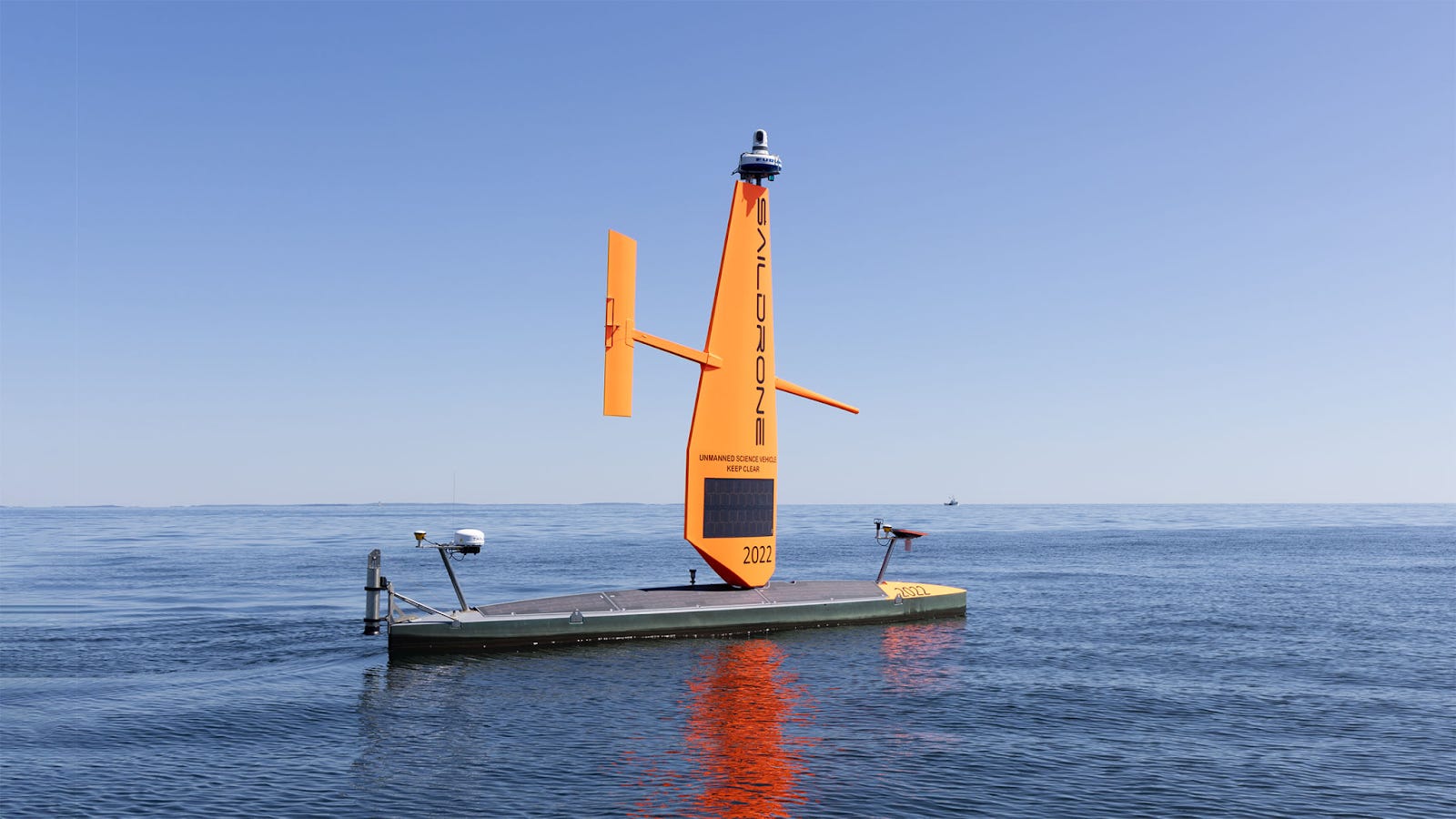
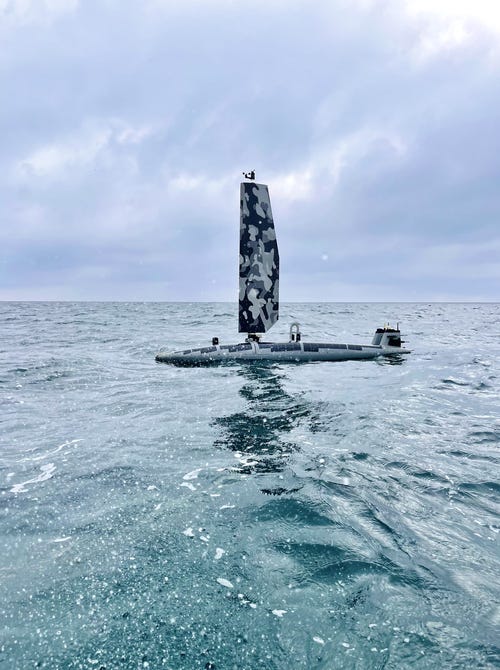
Saildrone Voyager
Source: Saildrone
The Saildrone Voyager is a highly capable USV used for environmental monitoring, oceanographic research, and maritime surveillance. It’s powered by wind and solar energy, making it sustainable for long-term data collection missions at sea.
Length: ca. 10 m
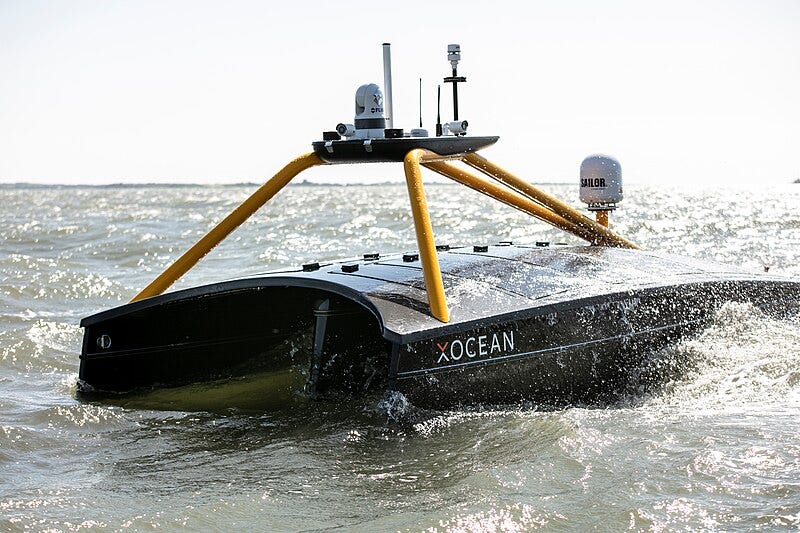
XOcean XO-450
Source: Wikimedia Commons
A popular USV for hydrographic surveys and environmental monitoring, the XO-450 is known for its efficiency and ability to operate in harsh maritime conditions. It’s used extensively in offshore energy, marine science, and environmental protection.
Length: ca. 4.5 m
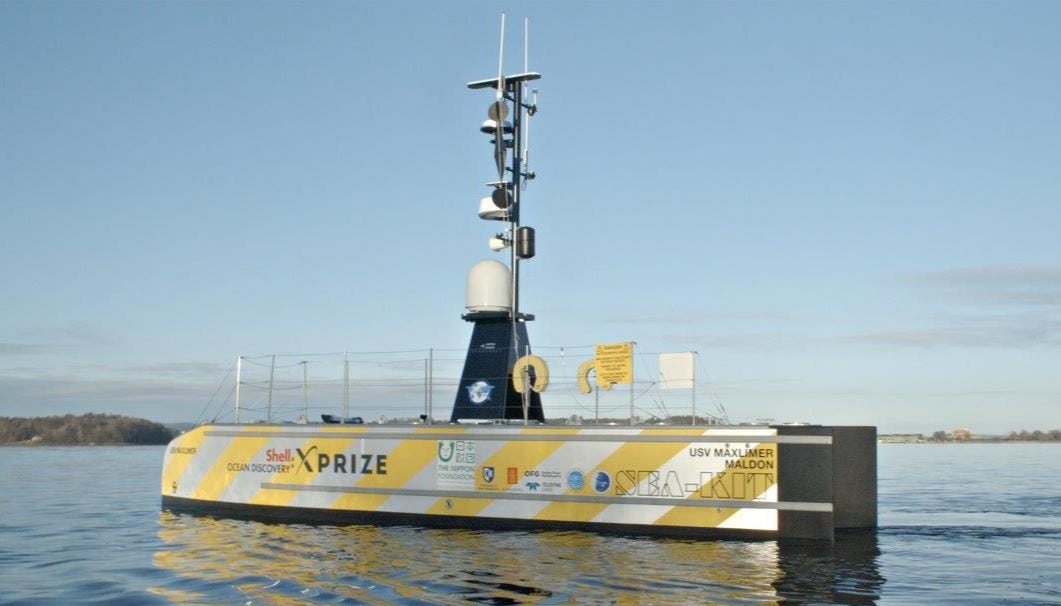
Sea-Kit Maxlimer
Source: Sea-Kit
The Sea-Kit Maxlimer is a versatile USV designed for offshore and maritime industries. It’s used for seabed mapping, environmental monitoring, and cargo delivery. Its long endurance and remote operation capabilities make it ideal for complex missions.
Length: ca. 12 m
Military Vessels:
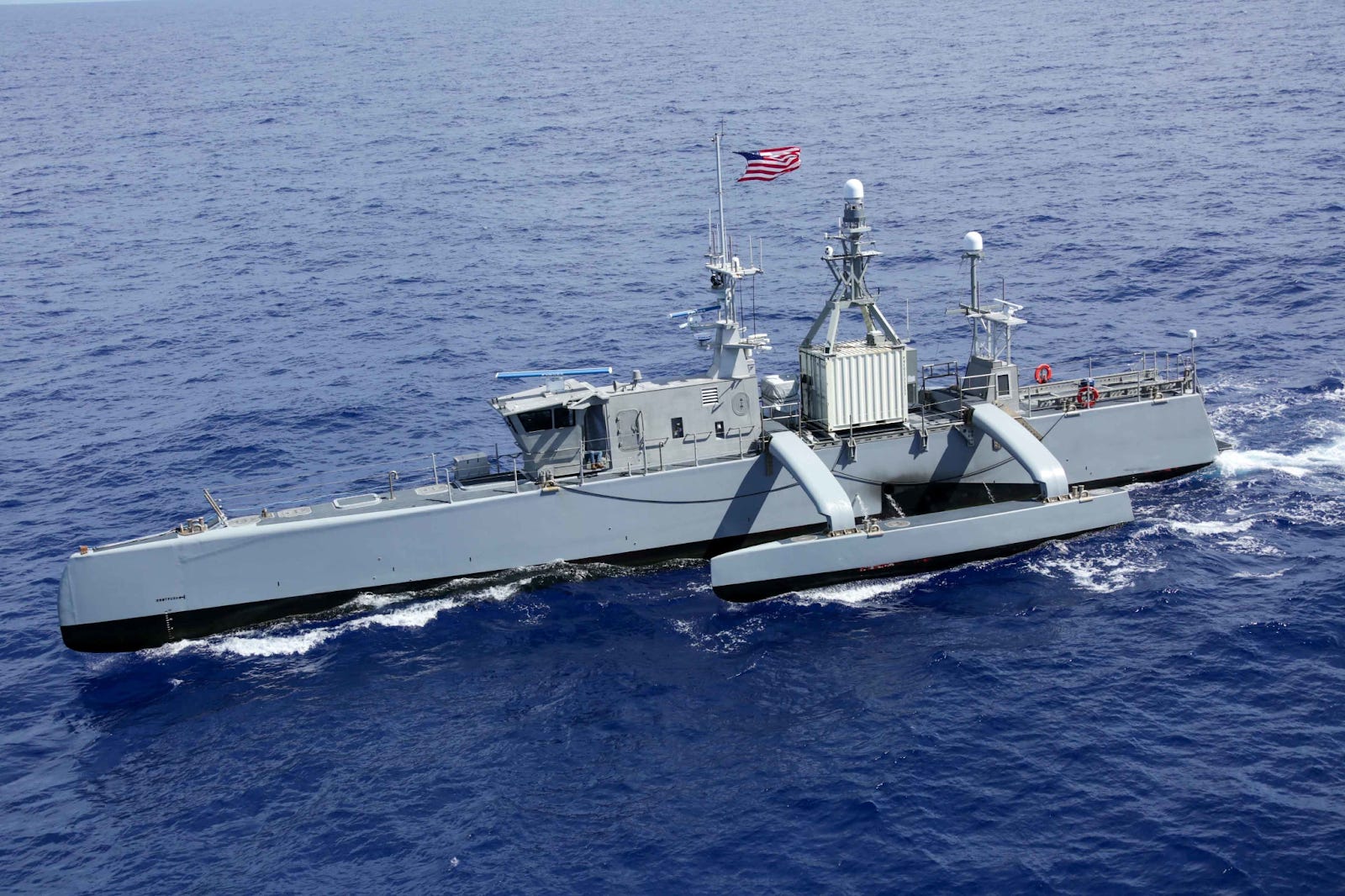
Sea Hunter (U.S. Navy)
Source: U.S. Navy
The Sea Hunter is one of the most advanced USVs in operation, designed primarily for anti-submarine warfare (ASW). It's a prototype trimaran drone ship capable of autonomous navigation for extended periods without human intervention, proving the viability of unmanned vessels in complex maritime missions.
Length: ca. 40 m
Ocean Aero Triton
Source: Ocean Aero
Although similar to Saildrone, Triton is a unique stealth platform capable of both sailing and submerging. It’s designed to collect and relay data from both above and below the ocean's surface. It’s versatile, supporting missions in defense and civil sectors with pre-packaged and customizable payloads, including weapons.
Length: ca. 4.5 m
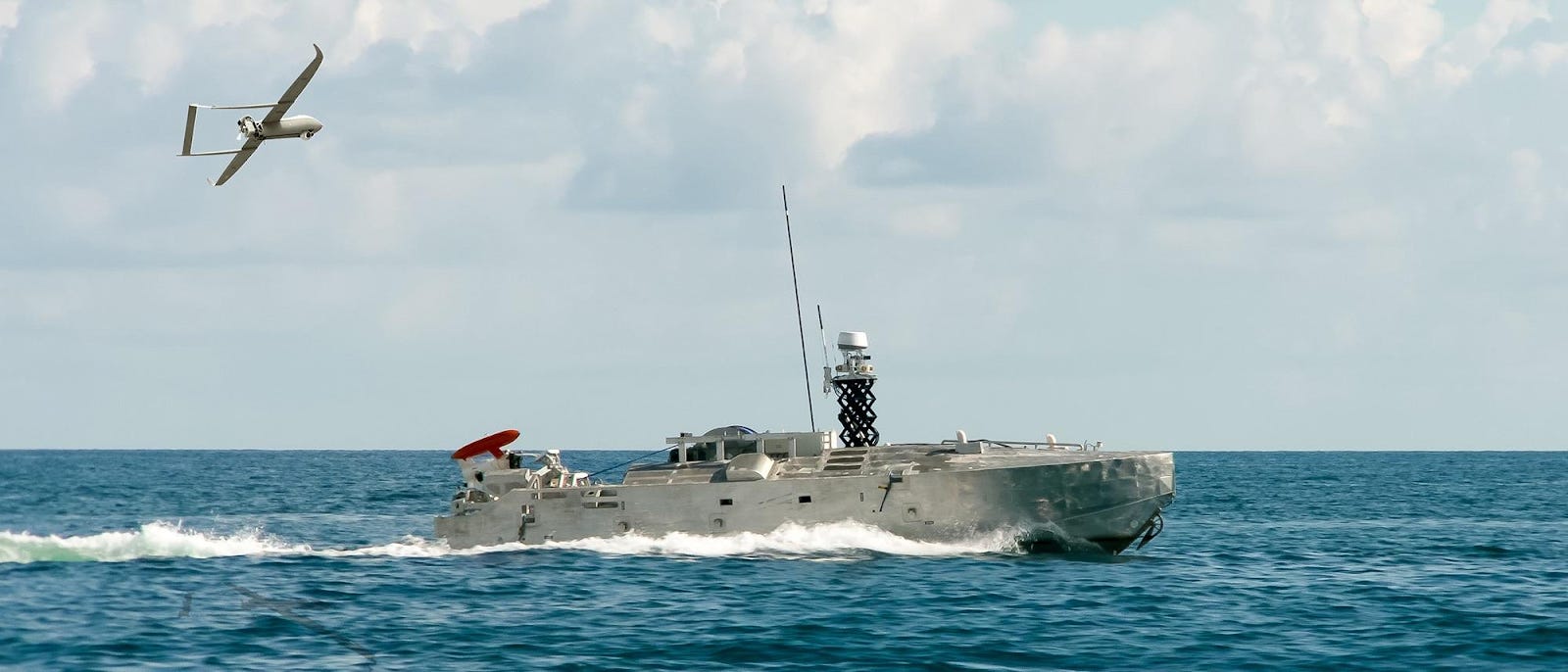
Textron CUSV
Source: Textron Systems
The Common Unmanned Surface Vehicle (CUSV) by Textron is a multi-role USV capable of performing mine countermeasures, ISR, and even electronic warfare. It's equipped with advanced guided rocket systems and has been successfully tested in various military exercises.
Length: ca. 12 m
Sea Drones in Current Conflict Hotspots: Ukraine and the Red Sea
How Ukraine Uses Sea Drones (USVs) to Fight Russia in the Black Sea
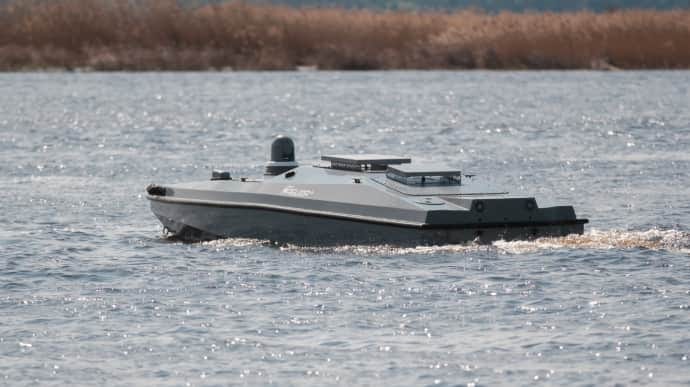
Ukraine has made significant strides in naval warfare by employing sea drones to combat Russia's Black Sea Fleet. These relatively inexpensive and agile drones have proven effective against much larger and more expensive Russian warships. The key platforms, an earlier “Sea Baby” and further “MAGURA V5” have been crucial in conducting stealth attacks, including striking key Russian vessels and infrastructure. They are equipped with explosives and advanced navigation systems, allowing them to operate autonomously over long distances and evade detection by radars or optical sensors. Also, a relatively low cost (ca. 250k USD) provides an asymmetric edge when it comes to destroying multi-million-dollar naval vessels. This use of USVs has not only disrupted Russian naval operations but has also forced Russia to rethink its naval strategy in the Black Sea, leading to the relocation of several key assets to more secure areas further from Ukraine's reach.
How Sea Drones (USVs) Are Being Used in the Red Sea Conflict
The Red Sea has become a focal point for maritime drone warfare, particularly involving USVs (Unmanned Surface Vehicles). The US and its allies, including the UK and France, have deployed USVs to counter the increasing threat posed by Houthi militants, who are backed by Iran. These militants have been using a mix of aerial and surface drones to target both military and civilian vessels in the region, attempting to disrupt critical shipping lanes.
In recent confrontations, U.S. Central Command (CENTCOM) reported that U.S. and allied forces intercept and neutralize dozens of Houthi drones a week, with the drones posing significant risks to maritime security. This ongoing threat has led to the deployment of advanced USVs that are integral in maritime surveillance, mine countermeasures, and intelligence gathering operations. The ability of these platforms to operate in hostile environments without risking human lives has made them indispensable in this volatile region.
USVs like the Saildrone Voyager and Textron’s CUSV, which have been adapted for both military and surveillance roles, are at the forefront of these operations. These vessels, equipped with cutting-edge sensor technologies, ensure the safety of commercial and military ships traversing the region. The deployment of USVs in the Red Sea underscores their growing importance in modern naval warfare, especially in areas where traditional naval forces are vulnerable to asymmetric threats.
The Future of Maritime Drones
The development of USVs is at an exciting and critical juncture. As autonomy and cooperative capabilities improve, these vessels will increasingly take on complex roles that were once the domain of manned ships. The future holds significant potential for USVs to revolutionize maritime operations, both in military and civil contexts. The continued integration of these systems with other unmanned platforms will only expand their utility and effectiveness.
Looking ahead, the maritime industry could see a future where highly automated or even fully autonomous vessels dominate the seas. From cargo vessels to patrol ships, the push towards unmanned operations is likely to accelerate, driven by advancements in AI, machine learning, and autonomous navigation. The possibilities are immense, and we’re just at the beginning of this transformation.
Is the maritime future highly automated, or even autonomous and uncrewed? It’s very likely. Could we soon see entire fleets of unmanned cargo vessels crossing the oceans? Time will tell, but one thing is certain: the sea is set to become the next frontier for unmanned systems.
If you liked it, please share, so others can find it too - thanks!